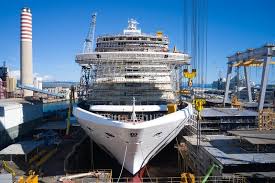
Consulting frameworks for the naval industry typically cover strategic, operational, and technological dimensions, and are often implemented in a phased approach For naval and maritime organizations.
Strategic, Operational and Tech Frameworks
A strategic framework focuses on high-level market positioning through competitor intelligence, market trend analysis, and strategic investments, including mergers and acquisitions.
An operational framework, in turn, is designed to enhance efficiency and productivity by using techniques such as lean shipbuilding, optimizing the supply chain for resilience, and implementing performance management systems.
A technology framework addresses innovation through technology roadmapping, the integration of digital solutions like digital twins and AI, and the adoption of sustainable technologies for decarbonization and environmental compliance.
NAVAL STRATEGY, OPERATIONS AND TECHNOLOGIES
These frameworks are applied through a structured process that begins with a diagnostic phase to analyze the client’s current state and identify performance gaps. This is followed by strategy formation, where specific solutions are conceptualized and aligned with the client’s overall goals. The process concludes with execution, where the strategies are implemented, and performance is tracked against key metrics to ensure objectives are met. For example, a project might start by diagnosing issues in a shipyard’s workflow, leading to a strategy that digitalizes operations with 3D technology, and concluding with tracking improvements in production speed.
Guiding your business through the project
A phased approach
Many consulting firms, like McKinsey and Flevy, use a phase-based framework to structure their projects.
Phase 1: Diagnostic
- Current state analysis: Conduct a comprehensive analysis of the client’s current performance, capabilities, and challenges, including operational efficiency, fleet age, and financial health.
- Gap identification: Identify performance gaps by benchmarking against industry best practices and competitors.
Phase 2: Strategy formation
- Solution conceptualization: Collaborate with the client to develop innovative strategies tailored to their specific needs, such as a strategy for fleet modernization or supply chain redesign.
- Strategic alignment: Ensure the proposed strategies align with the client’s overall corporate goals and are supported by a strong business case.
Phase 3: Execution and performance tracking
- Implementation: Operationalize the strategies with a focus on change management and technology integration.
- Performance management: Establish KPIs to measure and track the impact of the implemented changes, ensuring the client achieves its objectives


Leave a Reply to ++ malta Cancel reply